Home › Commercial Concrete Sealing and Coatings
Protect your slabs and floors with commercial concrete sealing in Cincinnati, OH tailored to traffic and exposure. We apply penetrating sealers, high performance coatings, and specialty finishes that resist chemicals, moisture, and abrasion. Clean, protected surfaces are easier to maintain and stay presentable longer.
Superior Concrete Cincinnati provides professional commercial concrete sealing throughout Cincinnati, OH, Ohio and the surrounding area. Our licensed, insured crew delivers safe, clean, on-time work with a free estimate before anything begins. Call (513) 993-5657 or request your free quote.
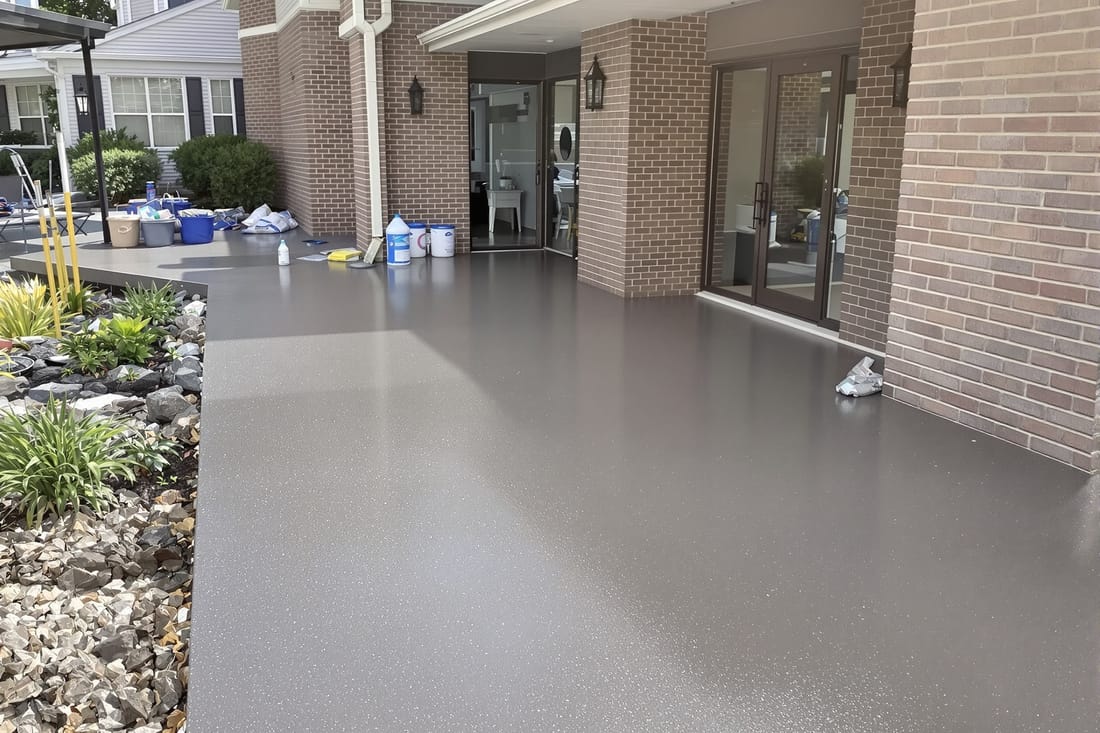
Commercial Concrete Sealing for Cincinnati Businesses
If you own or manage a commercial property in Cincinnati, your concrete has to deal with freeze-thaw cycles, road salt, heavy foot traffic, and delivery trucks. Superior Concrete Cincinnati focuses on commercial concrete sealing and coatings that are built for this exact climate and use. We work on parking lots, restaurant patios, warehouse floors, walkways, loading docks, drive-thru lanes, and multi-tenant retail centers.
Concrete sealing is not just about making the surface look nicer. A good commercial concrete sealing system slows moisture penetration, blocks salt and chemical intrusion, tightens the surface to reduce dusting, and makes cleaning easier. That means fewer trip hazards from spalling, fewer pop-outs from winter, and less long-term structural damage.
For Cincinnati properties, we typically recommend penetrating sealers for exterior flatwork and more durable coating systems for interiors or specialty areas. Penetrating sealers soak into the slab and protect it from inside the pores, which is important for dealing with winter de-icing salts. Coatings sit on the surface, giving you more control over color and texture, and are best where you need higher chemical resistance or a clean, professional appearance.
Superior Concrete Cincinnati tailors every commercial concrete sealing project to the age of the concrete, the level of traffic, and the type of exposure. A grocery store entrance, a brewery patio in Over-the-Rhine, and a warehouse floor near Springdale all need different products and preparation. We walk the site with you, identify failure points, and explain what is realistic for your budget and schedule.
How the Commercial Concrete Sealing Process Works
A proper commercial concrete sealing job lives or dies on surface preparation. Before we even talk about applying sealer, Superior Concrete Cincinnati tests and cleans your concrete so the product can bond correctly.
First we inspect the slab. We look for moisture issues, existing coatings, oil stains, soft or chalky spots, and prior sealer types. If needed, we perform a moisture test on interior slabs, which is important before applying epoxy or urethane coatings. If the concrete is holding too much moisture, we either correct that issue or use a breathable sealing system instead of trapping moisture under a dense coating.
Next we handle cleaning and mechanical prep. For exterior commercial concrete sealing, that usually means a commercial grade degreaser, hot water pressure washing, and in many cases light grinding or shot blasting in high traffic or oil soaked areas. For interior floors, we typically use diamond grinding to open up the surface, remove old coatings, and create the right profile. This step is critical. If a contractor wants to skip grinding or blasting on a heavily used commercial floor, that is a red flag.
After prep, we repair the slab. Cracks are routed and filled, control joints are cleaned and re-caulked where needed, and spalled or pitted areas are patched with compatible repair mortars. On loading docks and warehouse aisles, we pay particular attention to joints where forklifts cross, since those are common failure points.
Only once the substrate is solid and clean do we apply the sealer or coating. Penetrating sealers are sprayed and then back rolled to ensure even coverage. Film forming coatings like acrylics, epoxy, or polyaspartic are applied in measured mil thicknesses, often in multiple coats. We monitor temperature and humidity, both of which matter in Cincinnati where a July afternoon can be very different from a cool October morning. Finally, we enforce cure times. For many commercial projects we set up phased areas so your business can stay open while sections cure in turn.
Sealer and Coating Options for Commercial Properties
Commercial concrete sealing is not one size fits all. Superior Concrete Cincinnati helps you pick products based on traffic load, exposure, and maintenance expectations.
For outdoor commercial slabs like sidewalks, plazas, and parking decks, we usually recommend a penetrating silane or silane/siloxane sealer. These products soak below the surface and provide excellent resistance to water and de-icing chemicals. They leave the concrete looking mostly natural, which is often preferred at offices, schools, and civic properties. They also remain breathable, which suits our wet springs and freeze-thaw cycles.
For decorative outdoor surfaces like stamped concrete restaurant patios or colored entryways, we often use a high quality acrylic sealer. It provides color enhancement and a slight sheen. To keep these surfaces safe in wet or icy Cincinnati winters, we can broadcast a fine non-slip additive into the topcoat so customers have more grip walking from the parking lot to the door.
Interior commercial floors like warehouses, showrooms, and service bays can use more robust coating systems. Epoxy and polyaspartic coatings deliver chemical resistance, easier cleaning, and a more finished look. For a car dealership or retail showroom, we may use a colored epoxy base with a urethane topcoat that resists tire marks and UV light from large windows. For an industrial space, clear or lightly tinted epoxy with high build thickness gives impact resistance for pallets and machinery.
Where a client wants a budget friendly solution for dust control in a warehouse, we might use a lithium silicate densifier followed by a penetrating sealer, which hardens the surface and reduces dust without creating a film that can peel. In food prep areas or breweries we focus on coatings that tolerate frequent washdowns, mild chemicals, and thermal movement from hot and cold water.
We always explain the tradeoffs: breathable versus non-breathable, natural look versus high sheen, longer cure times versus quicker return to service. That way you are not just buying a product name, you are choosing a system that fits how your Cincinnati property really operates.
What Affects Cost and Scheduling in Cincinnati
Commercial concrete sealing cost is driven less by the material itself and more by preparation, access, and downtime. Superior Concrete Cincinnati lays this out upfront so there are fewer surprises during the project.
The first driver is condition of the existing concrete. A relatively clean, uncoated sidewalk at a Blue Ash office park may only need chemical cleaning and light prep before sealing. A 20 year old loading dock downtown with layers of oil, patchwork, and failed coatings will need extensive grinding, repairs, and possibly multiple product types to handle different zones. That extra labor and prep time shows up in the price.
The second factor is product choice and performance requirements. High build epoxy or polyaspartic systems cost more per square foot than basic penetrating sealers, but they allow color control, line striping, and higher chemical resistance. If you need a quick return to service, for example a busy grocery store, we may specify a fast cure product, which can be more expensive but lets you reopen areas sooner.
Access and phasing also affect cost. Tight urban sites, multi-level garages, or buildings that must stay open 7 days a week require careful sequencing and sometimes night or weekend work. That adds labor and planning but avoids lost revenue. We often break large Cincinnati projects into sections so tenants or customers still have safe ways around the work area.
Local climate influences timing. For exterior commercial concrete sealing, the best window in Cincinnati is generally late spring through early fall, when daytime temperatures stay at least in the 50s and surfaces are dry. Trying to seal concrete in cold or damp conditions leads to poor bonding and short life. For interior projects we have more flexibility, but we still need to account for HVAC conditions, especially in unheated warehouses in winter.
Before you request quotes, it helps to know approximate square footage, whether there are old sealers or coatings present, and any specific performance needs, such as forklift traffic, food service health rules, or ADA slip resistance concerns. Bringing those details to Superior Concrete Cincinnati during the initial walk-through lets us build a more accurate, realistic proposal.
Local Issues, Maintenance, and Why Choose Superior Concrete Cincinnati
Cincinnati presents some specific challenges for commercial concrete sealing that we design around. Frequent freeze-thaw cycles, aggressive use of road salt, and wide temperature swings from January to July all stress the surface. Without proper sealing, you see scaling, pop-outs, joint damage, and surface dusting, all of which show up as safety hazards and higher long term repair costs.
We choose commercial concrete sealing systems that handle salt intrusion and moisture movement. For exterior slabs near busy roads or parking structures where snowplows push salt laden slush, we favor penetrating sealers with solid salt screen performance. On interior loading areas where meltwater is tracked in, we design coating systems that resist standing water and tire marks so maintenance crews can clean quickly without damaging the surface.
After installation, maintenance is straightforward but important. For sealed concrete, we recommend regular sweeping and mopping with neutral cleaners instead of harsh acids or strong degreasers that break down the sealer. For coated floors, we advise on compatible cleaning products and equipment. Many Cincinnati facilities use autoscrubbers and we match the coating to the pads and detergents they already own when possible.
Most commercial concrete sealing systems need periodic re-application. Penetrating sealers may last 3 to 7 years outdoors depending on exposure. Acrylic sealers on decorative concrete often need touch-ups every 2 to 3 years in heavy traffic areas. Epoxy and polyaspartic systems can last much longer, but high impact or chemical exposure zones may require re-coating sooner. Superior Concrete Cincinnati can set up a maintenance schedule so you are proactive instead of reacting to failure.
Choosing Superior Concrete Cincinnati means you get a contractor that actually works in this region all year and knows how our weather and traffic patterns treat concrete. We do not just roll on a product and move to the next job. We diagnose underlying slab issues, match products to real-world use, and give straight answers about lifespan, appearance, and disruption to your business. That approach keeps Cincinnati properties safer, cleaner, and easier to manage over the long haul.