Home › Garage and Basement Concrete Floors
Upgrade your storage or living space with new concrete garage or basement floors in Cincinnati, OH. We pour level, durable slabs that handle vehicles, shelving, or finished flooring. Proper prep, vapor barriers, and control joints help prevent moisture issues and cracking for a long lasting floor.
Superior Concrete Cincinnati provides professional concrete garage floor throughout Cincinnati, OH, Ohio and the surrounding area. Our licensed, insured crew delivers safe, clean, on-time work with a free estimate before anything begins. Call (513) 993-5657 or request your free quote.
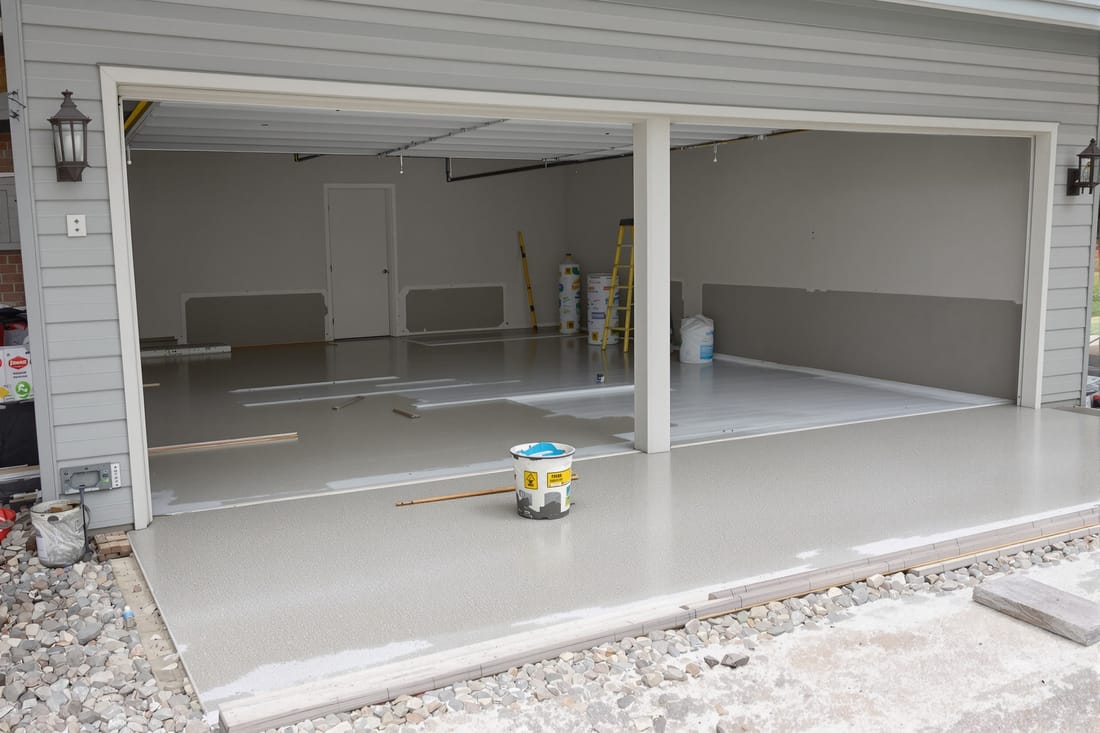
Concrete Garage & Basement Floors Built for Cincinnati Homes
Garage and basement slabs in Cincinnati work harder than most people realize. They support vehicles, storage, utilities, and in many Hyde Park, Anderson, and West Chester homes, finished living space. Superior Concrete Cincinnati focuses specifically on concrete garage floor and basement floor replacements and new pours that match the way local homes are actually used and built.
Whether you have a 1920s garage in Oakley with a cracked, sloping slab or a newer Anderson Township basement that collects moisture, we evaluate the structure, drainage, and subbase before talking about finishes. That is how we avoid the common problems you see around town, like heaving at the garage entrance, spider cracking around support posts, and peeling coatings.
Our team is fully focused on concrete work, not general remodeling. We understand local clay soils, freeze and thaw cycles, and how Cincinnati’s mix of older stone foundations and newer poured walls affects what your floor needs in terms of thickness, reinforcement, and vapor control.
How We Install a Durable Concrete Garage Floor
For a new or replacement concrete garage floor, Superior Concrete Cincinnati follows a step sequence that has been refined on hundreds of local jobs.
First, we remove the existing slab if there is one, along with any loose base material. We haul all concrete debris off site to an approved recycling or disposal location. Next, we grade and compact the subbase, typically using crushed limestone or compacted gravel. In much of Cincinnati the native soil is clay, so we focus on compaction and proper slope out toward the driveway to move water away from the foundation.
We then set forms at the correct height and pitch so the finished slab meets the driveway cleanly and drains away from the house. Most garage floors we pour are 4 inches thick as a minimum, often 5 inches for heavier trucks or workshop use, with a thickened edge at the overhead door opening where stress is highest.
Reinforcement is placed before the pour. For most residential garages we install welded wire mesh combined with fiber reinforced concrete. For heavier use, or where we have seen previous cracking along tire paths, we upgrade to #4 rebar on a grid pattern. Control joints are cut or tooled in specific locations to dictate where the slab will want to crack as it cures, such as at bay divides in a 2 or 3 car garage.
We pour, screed, and bull float the concrete, then finish with a non slip broom finish that provides traction even with wet tires. For customers planning to apply a coating later, we refine the finish so it has the right profile for adhesion, not too slick and not overly rough.
Basement Concrete Floors: Moisture, Levelness, and Comfort
Basement floors around Cincinnati vary widely, from rough, uneven slabs in Price Hill and Clifton to newer walkout basements in Mason designed as full living spaces. Our approach starts with moisture and flatness, since both affect whether you can finish the space later.
If the basement already has a slab that is badly cracked, out of level, or patched many times, we often recommend full removal. This lets us inspect the underside for hidden voids or past water issues. If the slab is mostly sound, we can sometimes resurface or top it instead, saving cost and downtime.
Before any new slab or overlay goes in, we test for moisture and look for evidence of hydrostatic pressure on the walls and floor. In many Cincinnati neighborhoods with older foundations, adding a vapor barrier beneath the slab is non negotiable if you want to control odors, protect future floor coverings, and reduce mold potential. We typically use a heavy duty plastic vapor barrier under 4 inches of concrete, with reinforcement similar to our garage slabs.
We also pay close attention to levelness, especially in basements that will receive luxury vinyl plank, tile, or carpet. Using laser levels, we identify high and low spots and design the pour or overlay thickness to correct them. The goal is a floor that does not telegraph dips or ridges into your finished flooring.
For unfinished or utility basements, we often suggest a slightly tighter, steel trowel finish that is easy to sweep and mop, sometimes followed by a densifier and clear sealer for dust control.
Thickness, Mix Design, and Options That Affect Performance
Not all concrete floors are poured the same. Superior Concrete Cincinnati chooses mix designs and details based on how you plan to use the space and what we see in your existing structure.
Most concrete garage floor projects use a 4,000 psi mix with air entrainment to handle freeze and thaw cycles. Air entrainment creates microscopic air pockets in the concrete, which helps it resist surface spalling from deicing salts brought in on your tires during Cincinnati winters. Where heavy loads or vehicle lifts are planned, we may increase strength and thickness or add localized thickened pads.
In basements, we often recommend a mix that works well with decorative finishes like stains or epoxy. A slightly lower water content and consistent aggregate help avoid blotchy coloration later. For customers who want radiant in floor heat, we coordinate with your HVAC or plumbing contractor to set tubing on the reinforcement and tie our pour schedule to their installs.
Add ons can include integral color for a warmer basement look, surface hardeners for garage work zones, or slip resistant additives in sealers. While these options influence cost, we explain them in practical terms: how they affect cleaning, appearance over time, traction, and compatibility with future coatings or flooring.
Common Garage and Basement Floor Problems We Fix
Cincinnati homes show some recurring concrete garage floor and basement floor issues that we address regularly.
At garage entrances, we often see a drop off or heaved lip where the slab meets the driveway. This is usually caused by poor subbase preparation or freeze movement. Our solution is to remove the affected portion, correct the base, and re pour with proper joint placement and sometimes dowels into the existing slab for stability.
In basements, widespread hairline cracking may be mostly cosmetic, but larger displacement, gaps wider than a credit card, or vertical difference across a crack can indicate settlement or structural concerns. In those cases, we may involve a structural engineer, then design a repair that could include full replacement, partial removal and repour, or structural overlays.
Moisture showing up as damp spots, efflorescence (white powder), or musty odor is another frequent complaint. For this, we look beyond quick fix coatings. We check exterior grading, downspout discharge, and existing perimeter drains if visible. Solutions range from adding a vapor barrier and new slab, to combining floor replacement with interior drainage or sump upgrades done by a waterproofing contractor.
Surface wear, dusting, and peeling past paints or coatings are also common. These are usually solved by mechanical prep like grinding, then either resurfacing with a bonded topping or applying an appropriate industrial coating system on a sound slab.
What Drives Cost for a Concrete Garage Floor or Basement Slab
Customers often ask why prices can vary so much between projects. In our experience across Cincinnati, cost for a concrete garage floor or basement floor is driven by a few specific factors rather than guesswork.
Access is a big one. A front facing garage with driveway access is faster and less labor intensive than a tight city lot where concrete must be pumped or wheelbarrowed through a narrow side yard. Basements that require interior demolition, stair protection, or material to be carried out by hand also take more time.
Demolition and disposal matter too. Breaking and hauling an old, reinforced slab with thick sections takes longer than removing a thin, already broken floor. If we find hidden issues like insufficient base, water damage, or organic material under the slab, correcting those adds cost but prevents you from paying twice later.
Thickness, reinforcement type, and finishing options also play a role. A basic, uncoated garage slab will cost less than a thicker, reinforced floor designed for a workshop and finished with an epoxy or polyaspartic system. In basements, topping or resurfacing a sound slab is usually less expensive than full removal and replacement.
Superior Concrete Cincinnati provides written estimates that break out removal, base prep, concrete, reinforcement, finishing, and any sealers or coatings, so you can see exactly where your dollars go and what could be adjusted to match your budget.
Why Work With Superior Concrete Cincinnati for Your Floor Project
Choosing a contractor for a concrete garage floor or basement slab is less about a flashy finish and more about whether they control the details below the surface.
Superior Concrete Cincinnati uses only local ready mix suppliers that meet Ohio Department of Transportation standards, which means consistent mixes and traceable batch tickets. Our crews are full time concrete workers who understand how weather and temperature affect finishing and curing, especially in spring and fall when conditions change quickly.
We schedule your project to minimize downtime. A typical 2 car garage replacement involves one day for demo and base prep, one day for forming and pouring, and then a curing period before you can drive on it, usually 7 days for light vehicles and 28 days for full strength. Basements follow a similar timeline, often with faster light foot traffic allowed.
Throughout the process you work with a single project lead who walks the site with you, confirms elevations, discusses joint layout, and answers questions about coatings, sealers, and future finishes. We are fully insured, pull permits where required by Cincinnati or Hamilton County, and coordinate inspections as needed.
Our goal is not just a new slab, but a concrete surface that you do not have to think about again, one that drains correctly, resists local weather, and is ready for whatever use you have planned for your garage or basement.